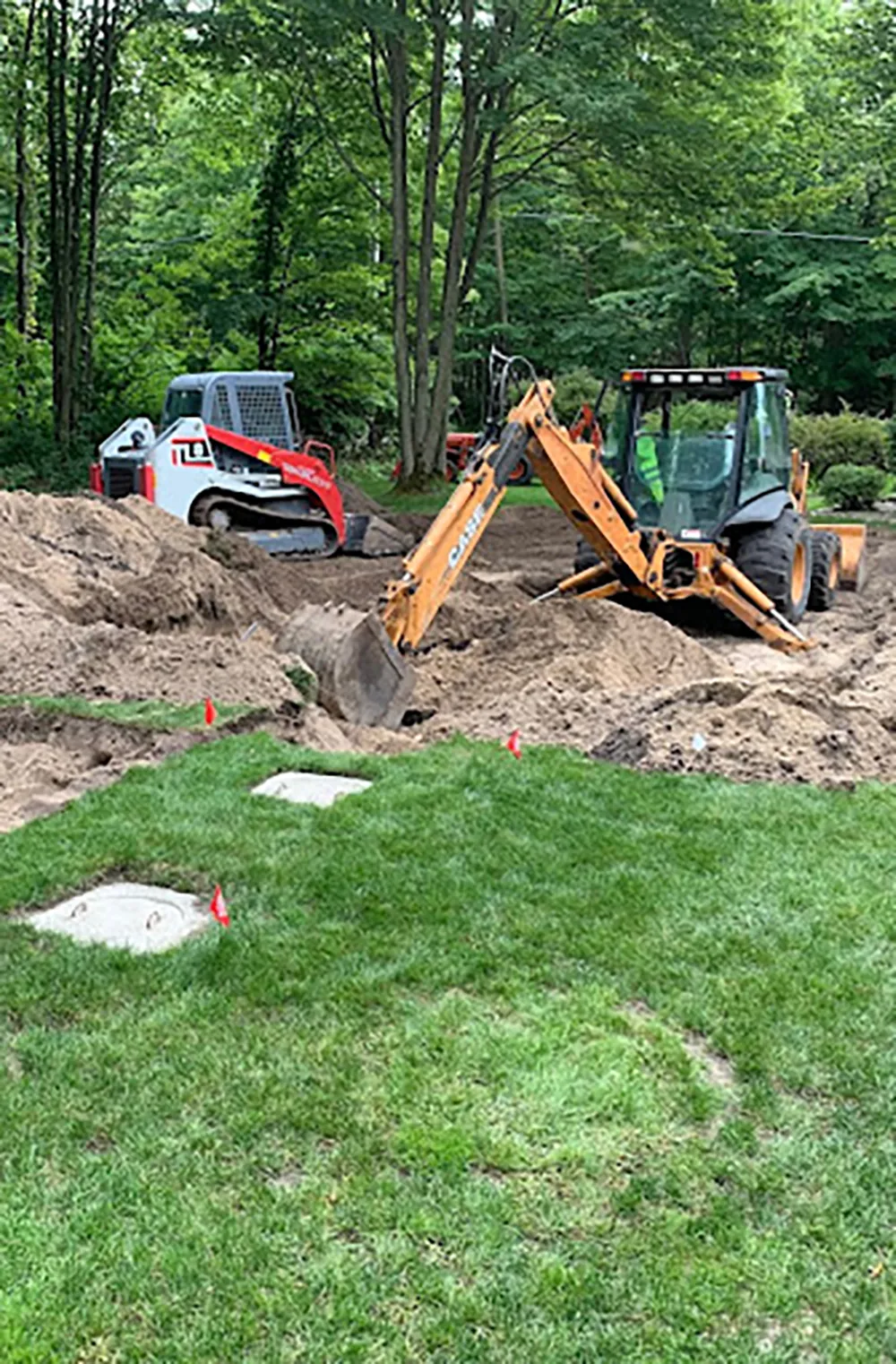
Buying a Home in Winter? Don’t Skip the Septic Inspection Near Newaygo County, MI
Why Winter Homebuyers Near Newaygo County, Michigan Need a Septic Inspection
You found a place you love. It’s close to work, the yard looks peaceful under fresh snow, and the price finally makes sense. But there’s a worry in your gut: “What if the septic system is a mess and I don’t find out until spring?”
We hear this all the time. Buying a home in winter can feel like trying to read a book with half the pages covered. Snow hides the lawn. Frozen ground makes it hard to see what’s under the surface. You’re not being picky—you’re being smart.
From our side of the shovel, winter is exactly when you want a septic inspection. Cold weather stresses systems. If there are weak spots—backups, frozen lines, a failing drain field—winter often exposes them. An inspection gives you answers before you sign, so you don’t inherit surprise bills, flooded yards, or a bathroom you’re afraid to flush.
Our team at Ryerson Brothers Excavating works across Muskegon, Newaygo, Ottawa, and Oceana Counties. We customize each inspection to the home, soil, and weather. We don’t try to scare buyers. We give you clear facts you can use to negotiate, plan, or walk away with confidence.

What a Professional Septic Inspection Covers (Tank, Lines, Drain Field, and More)
A good septic inspection isn’t a quick peek and a shrug. It’s a system-wide check. Here’s what we look at:
Tank condition: Material (concrete, plastic, fiberglass), structural soundness, sludge and scum levels, baffles/tees, risers, and lid integrity.
Inlet & outlet: Are fittings intact? Is wastewater flowing correctly?
Distribution box (D-box): Is flow balanced to each trench or zone?
Drain field/leach field: Surface clues (soft spots, standing water under snow, unusual green strips), loading response, and any signs of clogging or freeze risk.
Pipes and laterals: Visual checks and, when needed, camera scoping to spot cracks, offsets, roots, or grease build-up.
Pump & alarms (if present): Float switches, control panel, and cycle response in mound or pressure-dose systems.
Water use & habits: We look at the household load vs. system capacity, and whether fixtures or softeners are overloading the system.
Age, permits & history: We review known permits or records when available and compare reported age to current condition.
Our goal is to measure real risk, not just pass/fail. We explain what is normal wear, what needs maintenance, and what needs repair—plus timing and priority.
Winter Red Flags a Septic Inspection Can Catch Before You Close
Cold weather doesn’t hide problems—it shines a light on them. Red flags we often catch in winter:
Slow draining fixtures after light use: Suggests partial blockages or drain field fatigue.
Gurgling sounds in sinks or tubs: Air hungry system, often due to vent or line issues.
Odors near the tank or field: Even through snow, odor can reveal venting problems or field saturation.
Surface crust or soft, spongy patches under snow: May signal surfacing effluent.
Frequent pump cycling in pressure systems: Controls, floats, or infiltration problems.
Frozen or at-risk lines: Shallow pipes, poor cover, or low usage patterns can let lines freeze.
Spotting one of these now helps you negotiate repairs or plan maintenance instead of discovering it after move-in usually at the worst time.
Septic Inspection vs. Septic Pumping — What Homebuyers in West Michigan Should Know
These two get mixed up a lot:
Septic pumping removes sludge and scum from the tank. It’s maintenance.
Septic inspection evaluates system health. It’s due diligence.
Sometimes a seller will say, “We just pumped it, so you’re good.” Pumping is helpful, but it’s not proof the system is healthy. In fact, sometimes pumping can mask short-term symptoms. An inspection checks structure, flow, field performance, and components. If you’re buying, you want both the history and the health check.
Camera (Video) Inspection vs. Visual Check — Which Is Better in Cold Weather?
In winter, we often recommend camera inspections to see inside pipes and laterals without digging everything open. Cameras help us find:
Root intrusions, cracks, and offsets
Sagging pipe (“bellies”) where wastewater sits and freezes
Grease buildup or foreign objects
Connection quality at the tank, D-box, or tees
A camera doesn’t replace everything, but in cold conditions it’s a powerful tool—especially when snow and frozen ground limit exposure.
How Much Does a Septic Inspection Cost Near Newaygo County, Michigan?
We tailor pricing to the home and system. The cost can change based on:
System type (gravity, pressure, mound, ATU)
Need for camera scoping or locating the tank and D-box
Access (snow depth, frozen lids, landscaping, or hard-to-reach components)
Paperwork and reporting needs for lenders or agencies
Instead of throwing out a one-size-fits-all number, we prefer to give you a straightforward quote once we know the property details. What we can promise is this: an inspection costs far less than the repair or replacement you might face if a hidden issue slips by.
Who Pays for the Septic Inspection — Buyer, Seller, or Shared?
There’s no single rule. We see three common setups:
Buyer pays to control the scope and choose the inspector.
Seller pays as part of listing prep, especially in rural areas.
Split cost when both parties want fast answers and a fair process.
If you’re negotiating, remember this: quality matters more than who pays. Make sure the inspection is thorough, documented, and performed by a crew that actually works on systems in your county soils.
How Frozen Ground and Snow Change the Septic Inspection Process
Winter adds a few steps, but it’s manageable:
Locating components: We use maps, as-builts (if available), and locating tools to find the tank, D-box, and field, even under snow.
Accessing lids: We may need to clear snow and hand-dig shallow spots. If lids are buried deep, we’ll discuss options that avoid yard damage.
Functional checks: We simulate household usage patterns and monitor responses.
Field observation: Snow can hide standing water, so we rely more on probe checks, camera work, and distribution testing.
Freeze prevention tips: We’ll advise you and the seller on safe usage to avoid freezing lines before closing.
Bottom line: winter does not block a septic inspection. It just changes how we do it.
Common Septic System Types in West Michigan and What That Means for Buyers
Across Muskegon, Newaygo, Ottawa, and Oceana Counties, we see a mix of:
Conventional gravity systems: Simple and reliable when soils drain well. We focus on tank condition, baffles, and field absorption.
Pressure-dose systems: Use pumps to dose the field. We test pump, floats, check valves, and control panel.
Mound systems: Built up above native soil when groundwater is high. We check sand media, distribution, and surface condition.
Advanced treatment units (ATUs): More moving parts and filters—great performance when maintained, but inspections must be detailed.
Knowing the system type tells you what maintenance plan you’ll need after closing.
Soil, Water Table, and Drain Field Health in Newaygo, Muskegon, Ottawa, and Oceana Counties
Soils and groundwater matter as much as the tank. Around here we deal with:
Sandy soils (common in parts of Muskegon/Oceana): They drain well but can move effluent fast—baffle and filter health is key.
Clayey pockets (varies by site): Slower drainage; fields can saturate and freeze if overloaded.
High water tables (seasonal): Mounds or pressure systems are common; venting and dosing must be right.
Shallow bedrock in scattered areas: Less common, but when present it demands careful design and monitoring.
During inspection, we look for clues your drain field matches your soil and water table. A mismatch is a big risk for backups and expensive fixes.
Septic Inspection Reports: How to Read Results and Negotiate Repairs or Credits
When we finish, you’ll get a clear, plain-language report. We highlight:
What’s working well
What needs maintenance soon (like pumping, filters, risers, or lid repairs)
What needs repair (cracked lids, failing baffles, damaged lines, control panel faults)
What’s a potential future risk (aging field, marginal soil, unusual water patterns)
Use the report to negotiate fairly. You can ask the seller to handle repairs, offer credits, or adjust price. If the system is truly failing, you might walk away—or buy with a plan and a proper concession. Our job is to arm you with facts.
Mistakes Homebuyers Make With Septic Systems in Winter (And How to Avoid Them)
Skipping the inspection because it’s cold: Winter is exactly when weaknesses show up.
Confusing pumping with inspection: One cleans; the other evaluates. You need both context and condition.
Not verifying access: If lids are buried deep or missing risers, future maintenance will be hard (and costly). Add risers now.
Ignoring water usage patterns: A big family moving into a system used by one person can expose problems fast.
Overlooking gutters and grading: Roof water dumping on the field will shorten its life.
Accepting vague reports: You deserve specifics, photos when possible, and next steps.
A Simple Winter Homebuyer Septic Checklist (From Offer to Closing)
Before your offer (or as soon as it’s accepted):
Ask for any septic records (permits, pumping, repairs).
Confirm system type and approximate age.
Schedule a professional inspection with a crew that works in your counties.
During inspection:
Confirm tank location and drain field layout.
Request camera scoping if access allows.
Test pump and alarms (if pressure or mound system).
Verify baffles/tees and risers are intact.
Discuss winter use tips to avoid freezing.
After the report:
Review repairs vs. maintenance and get timelines.
Negotiate credits or seller repairs with clear estimates.
Add system care steps to your move-in plan (pumping schedule, filter cleaning, water-use habits).
How to Schedule a Winter Septic Inspection Quickly (Even in a Busy Market)
Call early in your option/inspection window. Winter slots fill fast because daylight is short.
Share details up front: Address, home age, bedrooms, known system type, and any access notes.
Ask about winter access: We’ll tell you what snow clearing is needed and how we’ll minimize disturbance.
Be present if you can: We’ll walk you through the system and answer questions in real time.
We keep our scheduling flexible because we know closings move quickly. Our team is used to working in snow—we just plan the day and get it done.
FAQs: Winter Septic Inspections for Michigan Homebuyers
Can you inspect a septic system if the ground is frozen?
Yes. We use locating tools, careful digging at access points, and camera scoping. Frozen ground changes the method, not the mission.
Do you have to pump the tank during an inspection?
Not always. Pumping can help evaluate tank condition, but the need depends on system age, levels, and what we find on site.
What if the seller refuses an inspection?
That’s a red flag. You can request credits, require inspection before closing, or walk. We’ll explain your risk either way.
Will snow hide drain field problems?
Snow can hide standing liquid, but it can’t hide everything. We use probing, distribution tests, and pipe cameras to confirm performance.
How soon can I get results?
We aim for prompt, clear reports so you can meet contract deadlines. Tell us your closing timeline, and we’ll plan accordingly.
About Ryerson Brothers Excavating — Trusted Septic Inspections in Muskegon, Newaygo, Ottawa, and Oceana Counties
We’re based in Muskegon County and work across the West Michigan communities you’re considering. We’re not a huge firm, and that’s by design. We like knowing our clients’ names, soils, and neighborhoods. Every inspection is tailored—no cookie-cutter checklists. Our goal is to protect your investment and help you move in with peace of mind.
Ready to Move Forward? Book Your Winter Septic Inspection Near Newaygo County, Michigan
Buying a home in winter doesn’t have to feel risky. With the right inspection, you’ll know what’s underground, how the system is performing, and what to plan for next. If the system is sound, great—you move in confident. If it needs work, you’ll have the facts to negotiate well.
Let’s get your inspection on the calendar.
Tell us the address, target closing date, and what you already know about the system. We’ll take it from there—clear report, practical advice, and a plan that fits your needs.
Quick Recap for Homebuyers
Winter is a smart time to inspect—cold weather reveals weaknesses.
Inspections and pumping are not the same thing—ask for both context and condition.
Camera scoping is your friend in snow and frost.
Use the report to negotiate repairs or credits before you close.
We customize every inspection to the home, soil, and season—so you’re not guessing when you sign.
When you’re ready, we’re ready.