The Homeowner’s Guide to Choosing the Best Drainage System Near Ottawa County, MI
Why Your Yard Floods in West Michigan: Common Causes in Ottawa County, MI
You didn’t buy a home to watch your lawn turn into a small lake after every storm. When the backyard holds water, the dog tracks mud inside, the basement smells damp, and the mower sinks, it’s frustrating. You might feel stuck—like you’re wasting money on short-term fixes that don’t last.
We hear this every spring and fall. Our area gets quick snowmelt, heavy rain, and wind that pushes water where it shouldn’t go. In Ottawa County and nearby, we also see:
Heavy clay pockets that drain slowly.
Shallow topsoil over hardpan, so water can’t soak in.
Flat or backward slopes that send water toward the house instead of away.
Downspouts dumping at the foundation, causing puddles and seepage.
New construction next door that changed your runoff path.
If any of this sounds like your yard, you’re not alone—and it’s fixable.
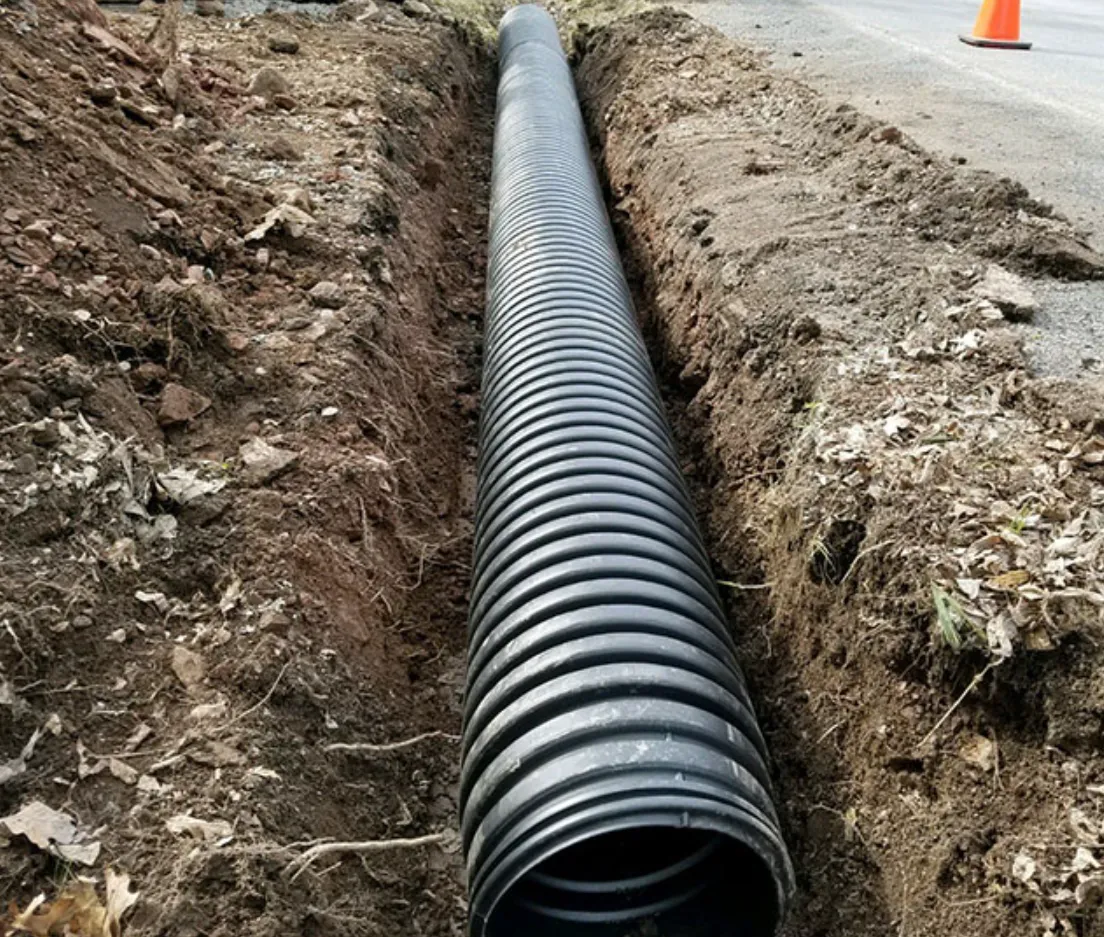
Drainage 101: How Water Moves Through Michigan Clay, Sand, and Loam
Think of soil like a sponge. Some sponges hold water; others let it pass.
Clay acts like a tight sponge. It holds water and drains slowly, which leads to standing water.
Sand is a loose sponge. It lets water pass, sometimes too fast, which can move water toward lower spots or cause erosion.
Loam (a mix) is the sweet spot. It drains well and still holds enough moisture for grass and plants.
Most yards in our region have mixed layers—maybe sandy fill on top and clay below. When water hits a clay layer, it spreads sideways and looks for the lowest point. That’s why you might see a puddle forming in the same spot every storm. Good drainage systems don’t fight the soil—they work with it, giving water a clear path away from your home.
Do You Need a Drainage System? Clear Warning Signs for Ottawa County Homeowners
You likely need a solution if you notice:
Puddles that stick around 24–48 hours after rain.
Grass that thins or dies in certain wet spots.
Mushy ground near walkways or patios.
Basement dampness, musty smell, or white chalky residue (efflorescence) on walls.
Settling or cracking in driveways and sidewalks near soggy areas.
Downspout washouts or erosion trenches.
If two or more of these are showing up, it’s time to plan a fix before the damage grows.
French Drains vs. Trench Drains vs. Swales vs. Dry Wells: What Works Best in Ottawa County, MI
There’s no one-size-fits-all answer. Each system has a job:
French Drains
A perforated pipe wrapped in fabric and gravel, buried in a trench. It collects groundwater and moves it to a safe outlet. Best for: soggy lawns, wet zones along fence lines, and areas where water sits below the surface.
Trench Drains (Channel Drains)
A slotted surface drain (long, narrow grate) that carries water away fast. Best for: driveways, patios, and garage apron areas where surface water needs to be captured right away.
Swales
A shallow, graded channel that guides water across the yard to a safe discharge point. Best for: broad, low areas and properties with room to move water over the surface in a controlled way.
Dry Wells
An underground chamber or gravel pit that temporarily stores water, letting it soak into the surrounding soil. Best for: downspouts or drains where soil can absorb water over time.
What we recommend:
Clay-heavy lots often need French drains paired with regrading and proper downspout extensions.
Driveway or patio flooding usually calls for trench drains and slope corrections.
Large yards with room to shape the land benefit from a swale to move water gently.
Tight urban lots may pair a downspout to a dry well if codes allow and soil cooperates.
Sump Pump + Exterior Drainage: When to Pair Them for a Dry Basement
A sump pump protects you from water that makes it inside the foundation. Exterior drainage keeps that water from arriving in the first place. If you’re seeing repeated basement dampness, it’s smart to pair:
Outside: French drain, regrading, downspout extensions.
Inside: Sump pump with a reliable discharge line and check valve.
Together, they reduce pressure on the foundation and keep the basement comfortable, not clammy.
Cost Guide for Drainage Systems Near Ottawa County, MI (Materials, Labor, Extras)
Every yard is different, but here’s what drives price:
Length and depth of trenches
Soil type (clay is tougher to dig)
Haul-off and disposal of spoils
Access for equipment (tight yards take longer)
Restoration (topsoil, seed, straw, or sod)
Add-ons (catch basins, cleanouts, sump tie-ins)
Typical budget ranges in our area:
Downspout extensions (buried): Helpful, lower-cost improvement to move roof water 10–20+ feet away.
French drains: Scales with length and depth; more if multiple lines or deep digging is needed.
Trench drains across driveways/patios**:** Higher materials cost for quality channels and concrete/asphalt restoration.
Swales & regrading: Can be cost-effective if you have space, with budget depending on cut/fill and topsoil.
Dry wells: Varies with size and soil absorption rate.
We design to your budget, explain options in plain language, and never bury surprises in fine print. A clear scope keeps costs from creeping.
Permits, Easements, and Local Rules: What Ottawa County Homeowners Should Know
In West Michigan, you can’t just send water anywhere. We help you check:
Right-of-way and easements (don’t discharge onto a neighbor).
Stormwater rules for new or large projects.
Utility locations (MISS DIG 811 before we dig, every time).
Setbacks from property lines and public drains.
Good planning keeps you compliant and keeps peace with the neighbors.
The Best Time of Year to Install a Drainage System in West Michigan (and Why)
You can build drainage almost any time the ground isn’t frozen. But there are sweet spots:
Spring: Great for chasing problems you just saw after snowmelt. Schedules can fill fast.
Summer: Stable ground and quick turf recovery.
Early Fall: Ideal for grading and seeding—cool temps help new grass take root.
Late Fall: Still workable if frost stays shallow; good time to prep before winter.
If you’ve had repeated basement dampness, don’t wait—the next storm won’t wait either.
DIY Fixes vs. Hiring a Local Pro: How to Choose What’s Right for Your Property
DIY can work for simple fixes:
Add downspout extensions and splash blocks.
Re-route a single low spot with a small swale.
Reset landscape beds that trap water against the house.
Hire a pro when:
Water is reaching the foundation or basement.
The yard has mixed soils or multiple problem spots.
You need perforated pipe systems, catch basins, or hardscape tie-ins.
There’s limited access or elevation changes across the property.
You want a permit-smart, code-aware design that lasts.
A professional design saves you from digging twice and spending twice.
How We Design a Custom Drainage Plan at Ryerson Brothers Excavating (Step-by-Step)
Walk-Through & Listen
You show us where water collects, how long it stays, and how it affects daily life. We note soil type, slope, and structures.Measure & Map
We check elevations, downspout positions, utilities, and possible discharge points. We look for the shortest, safest route for water.Soil & Flow Strategy
Based on soil (clay, sand, loam) and yard layout, we recommend the right mix—French drains, swales, trench drains, or dry wells.Straight-Talk Estimate
We give you options at different price points. You see what each choice does, what it costs, and how we’ll restore the yard.Build with Care
We protect existing grass where we can, dig clean trenches, install fabric and stone correctly, and set pipe with proper slope.Restore & Review
We backfill, grade smooth, seed or sod as planned, and walk the site with you so you know how everything works.Support & Maintenance
We show you simple maintenance habits and offer a check-in if you ever have questions after a big storm.
Soil, Slope, and Downspouts: Small Changes That Make a Big Difference
Downspouts: Move at least 10 feet away from the foundation, buried if possible for cleaner looks and safer flow.
Topsoil & Grade: Aim for 6 inches of fall in the first 10 feet away from the house where practical.
Mulch & Beds: Keep mulch below siding and don’t build flower beds that act like dams.
Driveway Edges: Add a shallow swale or edged trench stone to guide water to safe outlets.
These small steps often reduce the size—and the cost—of bigger systems.
Avoid These Costly Mistakes With French Drains and Yard Regrading
Skipping fabric around the drain stone: soils clog the pipe fast.
No slope on the drain line: water stalls and freezes.
Ending the pipe in a random low spot: you moved the problem, you didn’t solve it.
Too-shallow trench: frost can heave pipe out of alignment.
No cleanouts: future maintenance becomes a dig-up job.
Regrading without thinking about the neighbor’s lot: you can create disputes and repairs.
A little planning prevents a lot of rework.
Maintenance Made Simple: Keeping Your Drainage System Working for Years
Seasonal check: After big rains, walk the outlet. Make sure water flows freely.
Leaf control: Keep grates and basins free of debris, especially in fall.
Downspout tune-up: Check for loose couplings and washouts.
Aerate compacted areas: Helps the lawn absorb more water.
Record your layout: Keep a simple sketch and photos so you always know where pipes run.
Five minutes after storms can save you hours later.
Real-World Results: Before-and-After Drainage Projects Near Ottawa County, MI
Every property is different, but the outcomes are similar:
A backyard with ankle-deep puddles becomes firm, mowable lawn.
A musty basement turns into a dry storage space.
A driveway that used to freeze into a rink now sheds water cleanly.
Garden beds stop drowning, and plants finally thrive.
When water has a planned path, your whole property feels better.
How to Compare Quotes: Questions to Ask Any Drainage Contractor in West Michigan
Use this checklist to compare apples to apples:
What problem are you solving and why this design?
Where is the water going? Show the discharge point on the plan.
What pipe and stone are you using? Perforated pipe with proper filter fabric?
How deep and what slope? Numbers matter.
How will you restore the yard? Topsoil, seed, straw, or sod spelled out.
What’s included—and what isn’t? Catch basins, cleanouts, permits, hauling.
How will utilities be marked? MISS DIG coordination noted.
What happens if we hit heavy clay or groundwater? Clear plan for changes.
Timeline and weather plan? Realistic scheduling.
Warranty and follow-up? Who do I call if I have questions later?
If a quote skips details, you’ll pay for them later.
Our Service Area and Response Times: Muskegon, Oceana, Ottawa, and Newaygo Counties
We’re based in Muskegon (Muskegon County) and work across Muskegon, Oceana, Ottawa, and Newaygo Counties. That means we know the soil, the slopes, and the weather patterns that hit your street. It also means we can get to your site quickly, especially after heavy storms when fast help matters.
Choosing the Best Drainage System Near Ottawa County, MI: A Clear Path Forward
You want a yard that drains, a basement that stays dry, and a plan that makes sense. Here’s how to move ahead with confidence:
Walk your property after a storm and note where water starts, where it sits, and where it goes.
Take photos—they help us design the right solution.
Fix the simple things first: extend downspouts, clear grates, lower mulch beds.
Get a practical plan that fits your soil, slope, and budget—no guesswork.
Build it right the first time, with clean trenches, proper fabric and stone, and a real discharge plan.
Keep it tuned with light maintenance after big weather.
At Ryerson Brothers Excavating, we don’t push one system on every yard. We listen, we measure, and we design what your property needs—nothing more, nothing less. If water is wearing you down, we’re ready to help you take back your lawn and your peace of mind.